

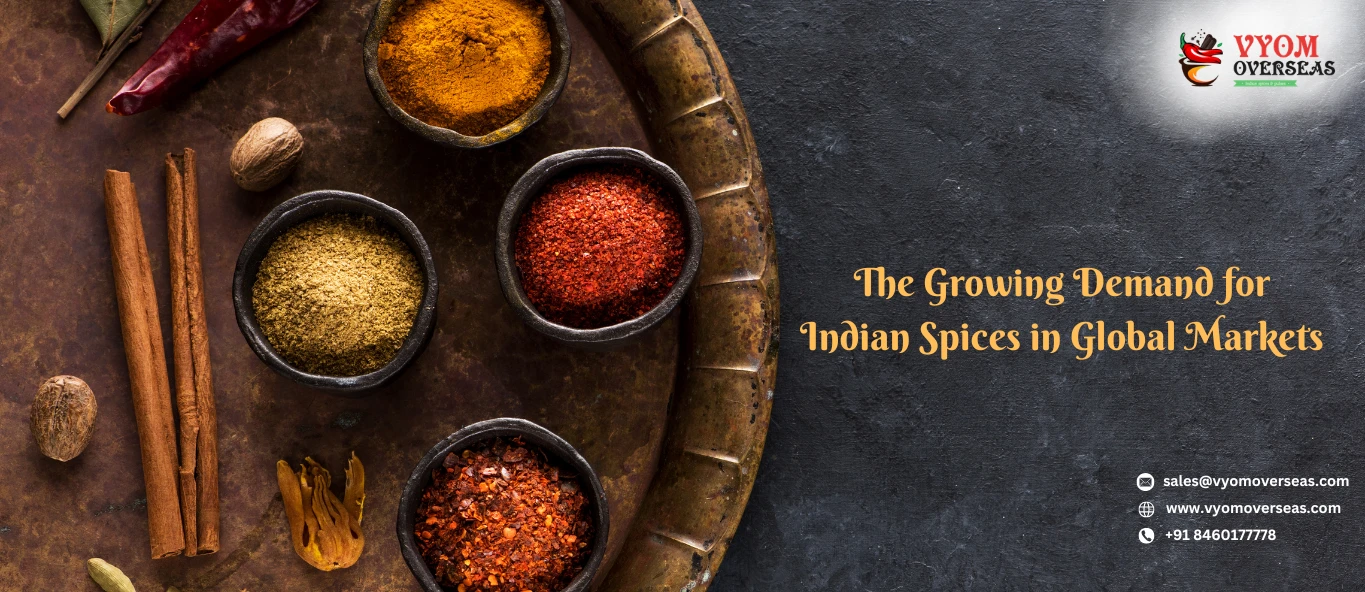
The Growing Demand for Indian Spices in Global Markets
India has long been known as the “Land of Spices,” and today, it continues to dominate the global spice trade with its unmatched variety, quality, and heritage. From ancient trade routes to modern international supply chains, Indian spices have maintained their reputation as essential ingredients in kitchens, health products, and food industries worldwide. In recent years, the demand for Indian spices has seen significant growth across global markets, driven by changing consumer preferences, rising health awareness, and expanding food industries.
India’s Legacy as a Global Spice Leader
India produces a wide range of spices, including turmeric powder, cumin, coriander, black pepper, fenugreek seeds, and cardamom. The country accounts for a major share of global spice production and exports to more than 150 countries. This strong presence is not just due to quantity, but also due to the superior quality and diversity of spices grown across different regions of India.
Each spice carries a unique aroma, flavor, and nutritional value, making Indian spices highly preferred in international markets. Buyers across continents trust Indian suppliers for consistent quality, competitive pricing, and reliable export services.
Factors Driving Global Demand for Indian Spices
1. Rising Health Awareness
One of the biggest reasons behind the increasing demand for Indian spices is the global shift toward healthier lifestyles. Spices like turmeric, ginger, and cumin are widely recognized for their medicinal and nutritional benefits. Consumers are actively looking for natural ingredients that support immunity, digestion, and overall wellness.
For example, turmeric is known for its anti-inflammatory properties, while fenugreek and flax seeds are valued for their benefits in managing cholesterol and improving digestion. This growing awareness has significantly boosted the demand for spice powders and seeds in health-conscious markets.
2. Expansion of the Global Food Industry
The global food industry is evolving rapidly, with increasing demand for diverse and flavorful cuisines. Indian spices play a key role in enhancing taste, color, and aroma in food products. From restaurants to packaged food manufacturers, businesses are incorporating Indian spices into their offerings to meet consumer demand for authentic and rich flavors.
Ready-to-eat meals, spice blends, sauces, and snacks often rely on Indian spices for their unique taste profiles.
3. Growth of Ethnic and Fusion Cuisines
With globalization and cultural exchange, ethnic cuisines are becoming more popular across the world. Indian cuisine, known for its bold flavors and aromatic spices, is gaining widespread recognition. At the same time, fusion cuisines are blending traditional spices with modern recipes, further increasing demand.
Restaurants and chefs are experimenting with Indian spices to create innovative dishes, which has contributed to the rising need for a consistent spice supply in international markets.
4. Increasing Demand for Herbal and Natural Products
Beyond cooking, Indian spices and herbal powders are widely used in cosmetics, pharmaceuticals, and wellness products. Ingredients like neem powder, tulsi, ashwagandha powder, and beetroot powder are in high demand for their natural properties.
The shift toward organic and chemical-free products has encouraged manufacturers to source high-quality herbal powders from India. This trend has significantly expanded the scope of the spice export industry beyond the food sector.
5. Competitive Pricing and Strong Supply Chain
India’s ability to produce spices in large quantities at competitive prices gives it a strong advantage in global markets. With well-established farming practices, processing units, and export infrastructure, Indian suppliers can meet bulk demands efficiently.
Exporters like Vyom Overseas ensure that spices are carefully sourced, processed, and packaged to maintain international quality standards. Timely delivery and consistent supply further strengthen India’s position as a trusted global supplier.
Key Export Markets for Indian Spices
Indian spices are exported to a wide range of countries, including:
-
United States
-
United Kingdom
-
South Africa
-
United Arab Emirates
-
Germany
-
Canada
-
Australia
Among these, South Africa has emerged as a growing market for Indian spices due to increasing demand for authentic ingredients and expanding food businesses. Similarly, Western countries are witnessing a surge in demand for organic and health-focused spice products.
Popular Indian Spices in Global Demand
Several Indian spices have gained strong demand in international markets:
-
Turmeric Powder – Known for its health benefits and vibrant color
-
Cumin Seeds – Widely used in cooking and spice blends
-
Coriander Seeds – Essential for flavoring various dishes
-
Fenugreek Seeds – Popular for both culinary and medicinal uses
-
Flax Seeds – Considered a superfood in health-conscious markets
-
Beetroot Powder – Used in food coloring, health drinks, and cosmetics
-
Neem Powder – In demand for skincare and herbal applications
These products are not only used in households but also in large-scale manufacturing industries.
Quality Standards and Certifications
To meet international demand, maintaining quality is crucial. Global buyers look for suppliers who follow strict quality control processes, hygienic handling, and proper packaging. Certifications such as ISO, HACCP, and FSSAI compliance add credibility and trust.
Indian exporters are continuously upgrading their processing techniques and adopting modern technologies to ensure that spices meet global safety and quality standards.
Challenges in the Spice Export Industry
While the demand is growing, the industry also faces certain challenges:
-
Fluctuating market prices
-
Strict import regulations in some countries
-
Quality consistency across large volumes
-
Logistics and shipping delays
However, experienced exporters overcome these challenges through strong supply chain management, proper documentation, and efficient logistics planning.
The Role of Trusted Exporters
Reliable exporters play a vital role in meeting global demand. Companies like Vyom Overseas focus on delivering high-quality spices, maintaining transparency, and building long-term relationships with international clients.
By offering bulk supply, customized packaging, and consistent quality, exporters help businesses worldwide source spices with confidence. This trust is essential for sustaining growth in competitive global markets.
Future Outlook of Indian Spice Exports
The future of Indian spices in global markets looks highly promising. With increasing awareness of natural products, rising demand for ethnic cuisines, and expansion of the food processing industry, the demand is expected to grow steadily.
Digital trade, improved logistics, and government support for exports are further boosting the industry. As more businesses and consumers turn toward natural and authentic ingredients, Indian spices will continue to hold a strong position in the global market.
Conclusion
The growing demand for Indian spices in global markets reflects a shift toward quality, health, and authentic flavors. India’s rich agricultural heritage, combined with modern export capabilities, makes it a leading supplier of spices worldwide.
For businesses looking to source premium spices, partnering with a trusted Indian exporter like Vyom Overseas ensures access to high-quality products, competitive pricing, and reliable delivery. As global demand continues to rise, Indian spices will remain an essential part of kitchens, industries, and wellness products worldwide.