

The Rise of Herbal Powders in the Health & Wellness Industry
The health and wellness industry has changed significantly in recent years. Consumers are becoming more interested in what goes into their food, beverages, personal care products, and daily routines. Alongside this shift, traditional herbs and plant-based ingredients have gained renewed attention. One category that has benefited in particular is herbal powders.
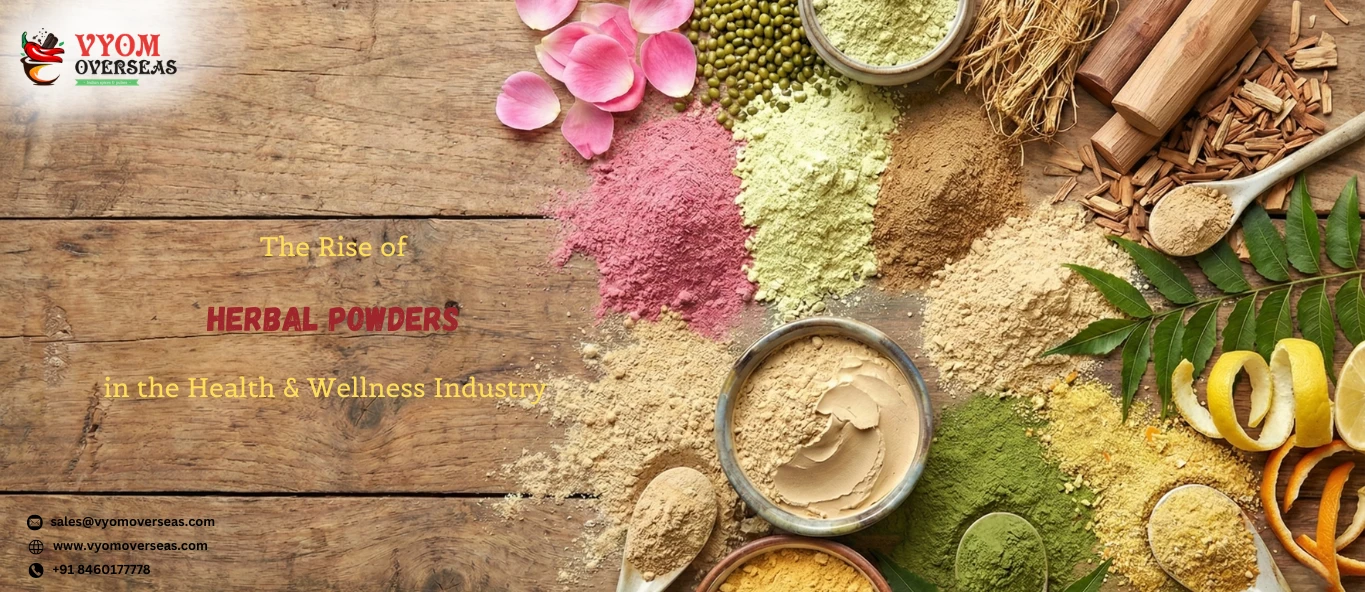
Herbal powders are made by drying and finely grinding selected plant parts, including leaves, roots, flowers, fruits, and seeds. They are convenient to store, easy to incorporate into different products, and available in a wide range of varieties. From wellness drinks and smoothies to food products, herbal teas, cosmetics, and traditional wellness preparations, these powders are finding applications across numerous industries.
Growing interest does not mean herbal powders replace medical care. Instead, their popularity reflects a broader consumer preference for natural ingredients, traditional plant-based products, and convenient ways to diversify everyday routines.
What Are Herbal Powders?
Herbal powders are concentrated, dried forms of plant-based ingredients. Depending on the product, manufacturers may use leaves, roots, bark, flowers, seeds, fruits, or other plant parts.
Raw materials are generally cleaned, dried, and processed into a powder. The exact production method varies by plant and its intended application. Quality processing matters because factors such as moisture, cleanliness, storage, and handling can influence the final product.
Common herbal powders include Ashwagandha Powder, Amla Powder, Moringa Powder, Hibiscus Powder, Brahmi Powder, Shatavari Powder, Aloe Vera Powder, Neem Powder, Turmeric Powder, Beetroot Powder, Spinach Powder, and Bhringraj Powder.
Each type has different characteristics and applications, making herbal powders a diverse category rather than a single type of wellness product.
Why Are Herbal Powders Becoming More Popular?
Several consumer and industry trends are driving growing interest in herbal powders.
Modern consumers often want products that fit easily into busy lifestyles. Powdered ingredients are easy to measure, mix, package, and transport. At the same time, interest in plant-based foods and traditional ingredients has encouraged consumers to explore alternatives to heavily processed products.
Social media has also played a role. Smoothies, herbal drinks, wellness recipes, natural skincare routines, and traditional ingredients are frequently featured across digital platforms. This has introduced many consumers to plant-based powders that may previously have been unfamiliar to them.
Another important factor is the growing interest in ingredient transparency. Consumers increasingly want to understand the ingredients in products they purchase and may actively look for recognizable plant-based components.
1. Convenience for Modern Lifestyles
One of the strongest advantages of herbal powders is convenience.
Fresh plant ingredients can have limited shelf life and may require preparation before use. Properly processed powders are easier to store and can be used in small quantities whenever required.
For example, a powdered leafy ingredient can be added to a smoothie without washing and chopping fresh leaves. Similarly, powdered herbs can be incorporated into food formulations, beverage mixes, or cosmetic preparations.
This convenience makes herbal powders particularly attractive to consumers with busy schedules who want to incorporate plant-based ingredients into their routines without complicated preparation.
2. Growing Interest in Plant-Based Wellness
The increasing popularity of plant-based lifestyles has created new opportunities for herbal powder suppliers and manufacturers.
Consumers are exploring products based on naturally derived ingredients across food, beverages, beauty, and wellness categories. Herbal powders fit naturally into this movement because they originate from botanical sources.
Moringa, turmeric, amla, hibiscus, and other plant powders are being explored in different formulations, including drinks, food mixes, supplements, and personal care products.
However, responsible marketing is important. Plant-based does not automatically mean suitable for everyone, and product claims should be supported by appropriate evidence and comply with applicable regulations.
3. Applications in Functional Foods and Beverages
Functional food and beverage products are another area where herbal powders are gaining attention.
Manufacturers can use plant powders to develop products such as smoothie mixes, herbal drink blends, instant beverages, nutrition mixes, seasoning blends, and specialty food products.
For example, beetroot powder can be incorporated into drink mixes, while hibiscus powder can contribute color and a distinctive tart flavor. Turmeric powder is widely used for its characteristic color and flavor in food and beverage applications.
Formulating powders into convenient consumer products gives manufacturers flexibility when developing new offerings.
4. Popularity in Smoothies and Wellness Drinks
Smoothies have become an easy way for consumers to combine multiple ingredients in one serving. Herbal and plant powders can be added to smoothies, juices, shakes, and other beverages.
Moringa powder, spinach powder, beetroot powder, amla powder, and other botanical ingredients are often explored in smoothie recipes.
Some consumers also use herbal powders in warm beverages or homemade drink preparations. Each powder’s neutral or distinctive flavor can influence the final recipe, so formulation and dosage are important when creating commercial products.
5. Opportunities in Natural Beauty and Personal Care
The rise of herbal powders extends beyond food and beverages.
The natural beauty and personal care sector has created demand for plant-based ingredients that can be incorporated into masks, hair-care products, cleansing preparations, scrubs, and other formulations.
Powders such as Bhringraj, Shikakai, Brahmi, Neem, Aloe Vera, Henna, and Hibiscus have long associations with traditional hair and beauty practices.
Modern brands are increasingly combining traditional botanical ingredients with contemporary product formats. This creates opportunities for manufacturers to develop herbal hair masks, powdered cleansers, botanical blends, and other plant-focused personal care products.
6. Connection With Traditional Knowledge
Many herbal ingredients have been used for generations in traditional food and wellness practices.
This heritage has become an important part of their modern appeal. Consumers are often interested in learning how traditional ingredients were historically prepared and incorporated into everyday routines.
For businesses, however, traditional use should be communicated carefully. Historical use does not automatically prove that a product can prevent, treat, or cure a particular health condition.
A responsible approach focuses on ingredient identity, traditional context, culinary uses, and scientifically supported information while avoiding exaggerated health claims.
7. Growing Demand From Food Manufacturers
Herbal powders offer practical advantages for food manufacturers. They can be easier to portion, blend, package, and transport than many fresh ingredients.
Manufacturers may use plant powders in seasoning mixes, bakery products, beverages, nutrition foods, snack products, sauces, and other formulations.
Their ability to provide flavor, aroma, natural color, or botanical character can make them useful ingredients during product development.
For commercial buyers, consistency is particularly important. Powder particle size, moisture content, color, aroma, purity, and microbiological quality can all influence manufacturing performance.
8. Importance of Quality and Processing
As demand grows, quality control becomes increasingly important.
High-quality herbal powder begins with suitable raw material. Proper identification, cleaning, drying, grinding, packaging, and storage can help maintain product quality.
Moisture is an important consideration because excessive moisture can affect shelf life and product stability. Packaging should protect the powder from humidity, contamination, light, and unnecessary air exposure.
Commercial buyers may also require documentation such as specifications, certificates of analysis, microbiological reports, allergen information, or other quality documentation depending on the intended application and local regulations.
9. The Role of Sustainable Sourcing
Sustainability is becoming an important consideration throughout the food and wellness supply chain.
Consumers and businesses are increasingly interested in responsible sourcing, efficient processing, reduced waste, and environmentally conscious packaging.
Herbal powder businesses can explore sustainable approaches such as responsible agricultural sourcing, efficient drying methods, recyclable packaging, and better utilization of plant materials.
Responsible sourcing can also support long-term availability of botanical ingredients and help build stronger relationships between farmers, processors, manufacturers, and distributors.
10. Growth of Private-Label Herbal Products
Another significant opportunity is the growth of private-label wellness products.
Retailers, wellness companies, health food stores, beauty brands, and online businesses can work with manufacturers to develop herbal powder products under their own brands.
Private-label products may include single-ingredient powders, customized blends, herbal drink mixes, beauty powders, and specialty formulations.
This model allows businesses to develop products for specific customer segments while relying on experienced suppliers for sourcing and processing.
11. E-Commerce Is Expanding Consumer Access
Online shopping has made herbal powders more accessible to consumers worldwide.
Previously, customers might have depended on specialty stores or local markets to find specific botanical ingredients. Today, online retailers can offer a much broader selection.
E-commerce also lets businesses educate customers through product pages, blogs, recipes, usage guides, ingredient information, and FAQs.
For herbal powder brands, transparent product information can help build customer confidence. Clear descriptions should explain the ingredient, source, intended use, storage requirements, and relevant precautions without making unsupported medical claims.
12. What Consumers Should Look For
As the market expands, consumers should focus on product quality rather than choosing products based only on marketing claims.
Important factors include:
-
Clear ingredient identification
-
Reliable sourcing information
-
Suitable processing methods
-
Clean and secure packaging
-
Batch or lot information
-
Appropriate storage instructions
-
Relevant quality documentation
-
Transparent labeling
-
Compliance with local regulations
Consumers should also be cautious of products that promise unrealistic or guaranteed health results.
Certain herbal products may affect how some medicines work or may not be suitable for everyone. People with specific health concerns, those taking medication, pregnant or breastfeeding individuals, and anyone considering concentrated herbal products should seek appropriate professional advice.
The Future of Herbal Powders
The future of herbal powders appears closely connected with several major trends: plant-based eating, ingredient transparency, convenient nutrition, traditional botanical knowledge, natural personal care, and personalized wellness.
Innovation is likely to expand the ways these ingredients are used. New beverage formats, functional foods, beauty products, customized blends, and private-label offerings may create additional opportunities for suppliers and manufacturers.
The industry must also prioritize rigorous quality control, clear sourcing, proper testing, accurate labeling, and ethical marketing practices to ensure consumer trust. As consumers become more informed, businesses that provide consistent products and transparent information are likely to build stronger long-term relationships.
Conclusion
The rise of herbal powders reflects a broader change in the health and wellness industry. Consumers are increasingly exploring plant-based ingredients that are convenient, versatile, and connected to traditional food and botanical practices.
Herbal powders can be used across food, beverages, personal care, wellness products, and commercial formulations. Their ease of storage and versatility make them attractive to consumers and businesses alike.
However, the category’s future growth will depend not only on demand but also on responsible sourcing, reliable processing, consistent quality, accurate labeling, and honest communication.
For manufacturers, wholesalers, retailers, and wellness brands, herbal powders present an expanding opportunity. For consumers, they offer another way to explore the diversity of plant-based ingredients as part of a balanced lifestyle.
Ultimately, the growing popularity of herbal powders is not simply a passing trend. It represents the intersection of traditional botanical ingredients with modern consumer expectations for convenience, transparency, variety, and plant-focused products.