

Benefits of Coriander Seeds in Cooking and Wellness
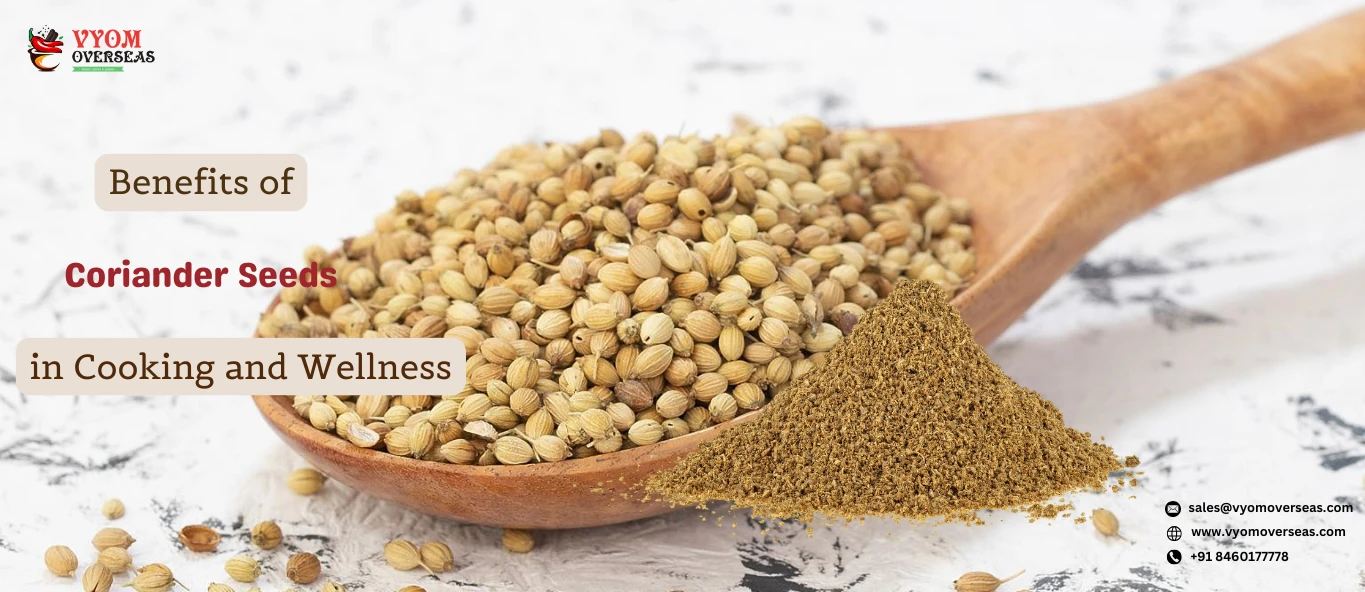
Coriander seeds are one of those traditional kitchen ingredients that quietly do a lot of work. Small, round, and naturally aromatic, they have been used for generations to add warmth, depth, and character to everyday dishes. From spice blends and curries to pickles, soups, sauces, and roasted snacks, coriander seeds can transform simple ingredients into flavorful meals.
Beyond their culinary value, coriander seeds have also earned a place in traditional wellness practices. They contain naturally occurring plant compounds and nutrients that make them an interesting addition to a balanced diet. While they should not be viewed as a replacement for medical treatment, incorporating coriander seeds into regular cooking can be a simple way to enjoy both flavor and nutritional variety.
What Are Coriander Seeds?
Coriander seeds come from the coriander plant, scientifically known as Coriandrum sativum. The same plant produces fresh coriander leaves, commonly called cilantro in many parts of the world. Once the plant flowers and develops seeds, they are harvested, dried, and used as a whole spice or ground into coriander powder.
Coriander seeds have a distinctive aroma with mild citrusy, earthy, and slightly sweet notes. Their flavor becomes richer and more pronounced when the seeds are lightly roasted before use.
Unlike many intensely hot spices, coriander seeds are relatively mild. This makes them versatile enough for everyday cooking and suitable for combining with spices such as cumin, turmeric, black pepper, cardamom, fennel, cloves, and chilli.
1. Adds Depth and Aroma to Everyday Cooking
One of the biggest advantages of coriander seeds is their ability to enhance the overall flavor of a dish without overpowering other ingredients.
Whole coriander seeds can be added to curries, lentils, vegetable preparations, marinades, and rice dishes. When roasted gently, they release fragrant oils that give food a deeper and warmer aroma.
Grinding roasted coriander seeds shortly before cooking can also produce a fresher flavor than using pre-ground spice that has been stored for a long time.
For home cooks and food manufacturers alike, coriander seeds are therefore a valuable ingredient for creating balanced and aromatic recipes.
2. A Useful Ingredient for Spice Blends
Coriander seeds are an important component of many traditional spice mixtures. They work particularly well with cumin seeds, fennel seeds, black pepper, dried chillies, turmeric, and other aromatic spices.
A simple homemade spice blend can be prepared by lightly dry-roasting coriander seeds along with selected spices and grinding them after they cool. This can be used to season vegetables, meat, pulses, soups, rice, and sauces.
Because coriander has a naturally balanced flavor, it can help bring together stronger spices and create a more rounded taste profile.
3. Contains Antioxidant Plant Compounds
Coriander seeds contain various naturally occurring plant compounds, including antioxidant compounds. Antioxidants are substances that help protect cells from oxidative stress caused by unstable molecules known as free radicals.
A diet containing a variety of fruits, vegetables, herbs, seeds, and spices can contribute to overall antioxidant intake. Coriander seeds can be part of this broader dietary pattern.
It is important to remember that the presence of antioxidant compounds in a spice does not mean that eating coriander seeds alone can prevent or treat disease. Their value is best considered as part of a varied and balanced diet.
4. May Support Digestive Wellness
Coriander seeds have a long history of use in traditional food and wellness practices, particularly in preparations associated with digestion.
Their aromatic compounds may make them a pleasant addition to meals, while traditionally prepared coriander infusions are also consumed in some cultures.
Adding coriander seeds to foods such as lentils, beans, vegetables, and curries can provide flavor while contributing to a diverse intake of herbs and spices.
Anyone experiencing persistent digestive discomfort should consult a qualified healthcare professional rather than relying solely on traditional remedies.
5. Naturally Provides Several Nutrients
Coriander seeds contain small amounts of nutrients and naturally occurring plant compounds. Like other seeds, their nutritional contribution depends on the amount consumed and the overall diet.
They can contribute minerals such as iron, magnesium, calcium, and manganese, along with other nutrients. Since spices are generally used in relatively small quantities, they should complement—not replace—nutrient-dense foods such as vegetables, fruits, whole grains, legumes, nuts, and seeds.
The real nutritional advantage of coriander seeds comes from their ability to add variety and flavor to meals while fitting easily into different styles of cooking.
6. Can Be Used in Different Forms
Coriander seeds are remarkably versatile. They can be used in several forms depending on the recipe and desired flavor.
Whole coriander seeds: Ideal for tempering, pickling, spice blends, curries, and roasted preparations.
Roasted coriander seeds: Dry roasting intensifies their aroma and produces a richer, slightly nuttier flavor.
Ground coriander: Coriander seeds can be ground into a fine or coarse powder for marinades, sauces, curries, soups, and seasoning mixes.
Coriander infusion: Some traditional food cultures use coriander seeds to prepare a mild infused drink.
This versatility makes coriander a practical ingredient for both household kitchens and commercial food applications.
7. Works Well in Healthy and Everyday Recipes
Antioxidants are naturally occurring compounds that can help defend the body’s cells against oxidative damage associated with free radicals.
Coriander seeds can be incorporated into many types of meals without requiring complicated preparation.
For a flavorful lentil dish, lightly crushed coriander seeds can be added during tempering. In roasted vegetables, ground coriander can be combined with turmeric, black pepper, and a small amount of oil.
Coriander also works well in homemade salad dressings, marinades, soups, grain bowls, chutneys, and vegetable curries.
For people who want to experiment with healthier cooking, spices such as coriander can help create strong flavors without depending heavily on excessive salt, sugar, or rich sauces.
8. A Natural Match for Pickles and Preserved Foods
Coriander seeds are frequently used in pickling and preservation recipes. Their distinctive aroma complements vinegar, citrus, chillies, mustard seeds, garlic, and other spices.
Whole seeds can provide small bursts of flavor in pickled vegetables and chutneys. They can also be incorporated into seasoning mixes designed for preserved foods.
For commercial food producers, coriander seeds can be useful in developing distinctive flavor profiles for sauces, condiments, pickles, and ready-to-cook products.
9. Supports Culinary Variety
One of the less obvious benefits of coriander seeds is their ability to encourage culinary experimentation.
The same ingredient can taste very different depending on whether it is used whole, crushed, roasted, or ground. Combining coriander with different spices can create completely new flavor profiles.
For example, coriander and cumin create a warm, earthy combination, while coriander and citrus ingredients emphasize its naturally bright character. Coriander with chilli produces a more robust seasoning, whereas pairing it with fennel can create a sweeter aromatic profile.
This flexibility makes coriander seeds useful across Indian, Middle Eastern, Mediterranean, African, and other international cuisines.
10. Convenient for Bulk Food and Spice Applications
Coriander seeds are also valuable from a commercial perspective. Food manufacturers, restaurants, catering businesses, spice companies, and wholesalers use coriander in a wide variety of applications.
Whole seeds can be supplied for grinding, roasting, blending, or direct culinary use. Ground coriander can be used in packaged spice mixes, curry powders, marinades, instant food products, sauces, and seasoning blends.
For businesses purchasing coriander in bulk, factors such as seed quality, cleanliness, aroma, moisture level, packaging, storage conditions, and consistency are important when selecting a supplier.
How to Use Coriander Seeds in Your Kitchen
Using coriander seeds does not have to be complicated. A simple approach is to dry-roast the seeds in a pan over low to medium heat for a short time until they become fragrant. Allow them to cool before crushing or grinding.
Try adding them to:
-
Vegetable curries
-
Lentil and bean dishes
-
Rice and grain recipes
-
Homemade spice blends
-
Pickles and chutneys
-
Soups and stews
-
Marinades
-
Roasted vegetables
-
Salad dressings
-
Homemade seasoning mixes
The key is moderation. A small quantity can provide considerable aroma and flavor.
Choosing and Storing Quality Coriander Seeds
Good-quality coriander seeds should have a fresh, characteristic aroma and a clean appearance. Avoid seeds that appear excessively damp, dusty, discolored, or stale.
Proper storage is equally important. Keep coriander seeds in an airtight container away from direct sunlight, heat, and moisture. A cool, dry cupboard is generally suitable for household storage.
Whole coriander seeds usually retain their aroma longer than ground coriander because grinding exposes more surface area to air. For maximum freshness, consider grinding smaller quantities when needed.
Coriander Seeds as Part of a Balanced Lifestyle
The benefits of coriander seeds should be viewed in the context of an overall healthy lifestyle. No single spice can provide all the nutrition the body needs. However, using a variety of herbs and spices can make wholesome meals more enjoyable and encourage people to prepare flavorful food at home.
A balanced eating pattern that includes vegetables, fruits, legumes, whole grains, nuts, seeds, and suitable protein sources provides a stronger nutritional foundation. Coriander seeds can complement this pattern by contributing flavor, aroma, and naturally occurring plant compounds.
People with allergies, specific medical conditions, or dietary restrictions should consider their individual needs and seek professional advice when necessary.
Final Thoughts
Coriander seeds are much more than a basic spice. Their warm, citrusy aroma, culinary versatility, and traditional use make them a valuable ingredient for both cooking and wellness-focused lifestyles.
From adding depth to curries and spice blends to complementing pickles, soups, roasted vegetables, and marinades, coriander seeds can be used in countless ways. Their naturally occurring plant compounds and nutritional components further add to their appeal as part of a varied diet.
Whether you are a home cook, restaurant, food manufacturer, or wholesale buyer, coriander seeds offer a practical combination of flavor, versatility, and traditional culinary value. With proper storage and thoughtful use, this humble spice can become a dependable ingredient in everyday cooking.
Ultimately, the best way to enjoy coriander seeds is to use them as one part of a diverse and balanced approach to food—bringing more aroma, variety, and flavor to the meals you prepare.